Providing Professional Inspection
and Consulting Services
Proudly Serving the Greater Grand Traverse Area Since 1990
Home Inspections
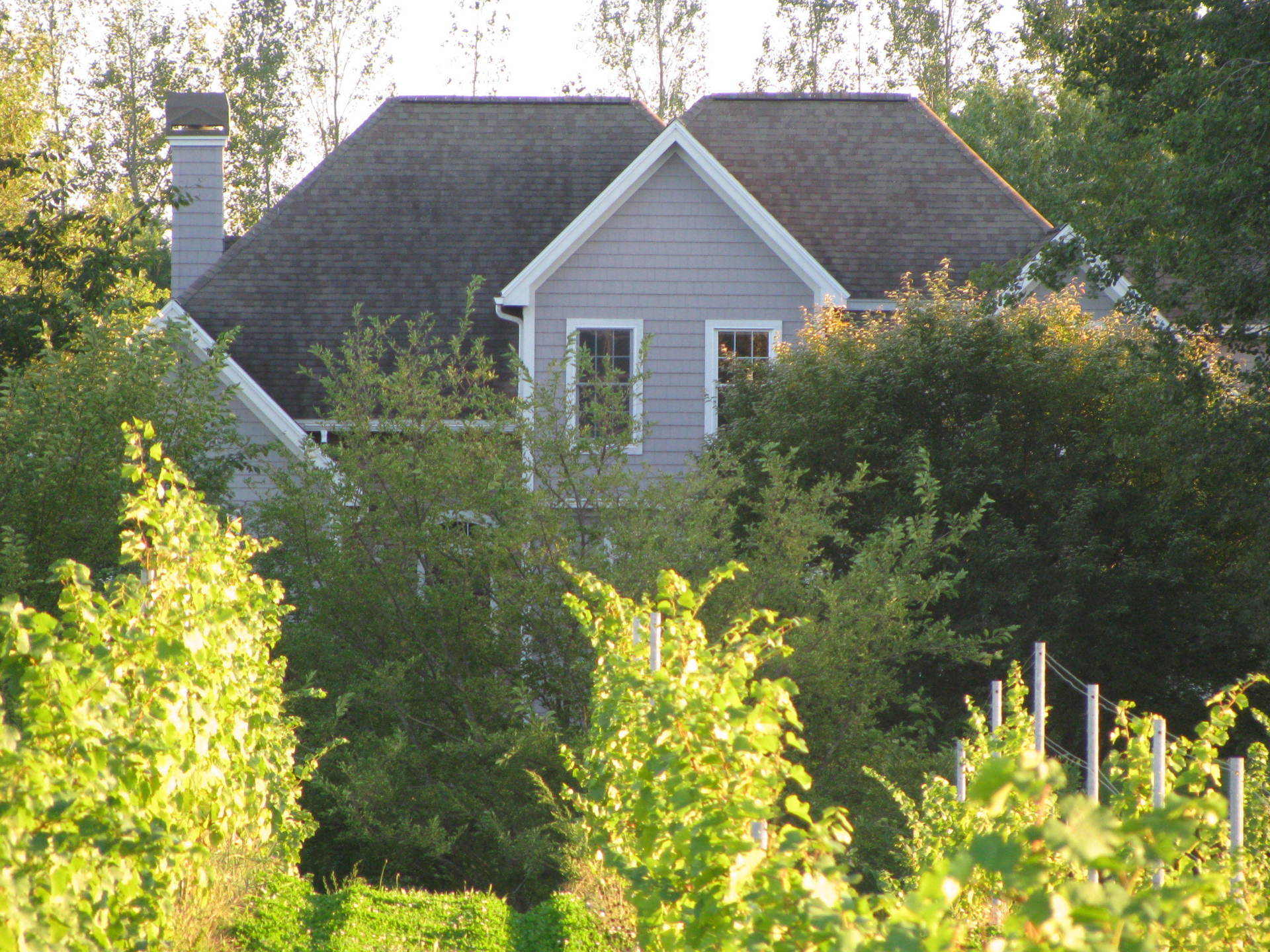
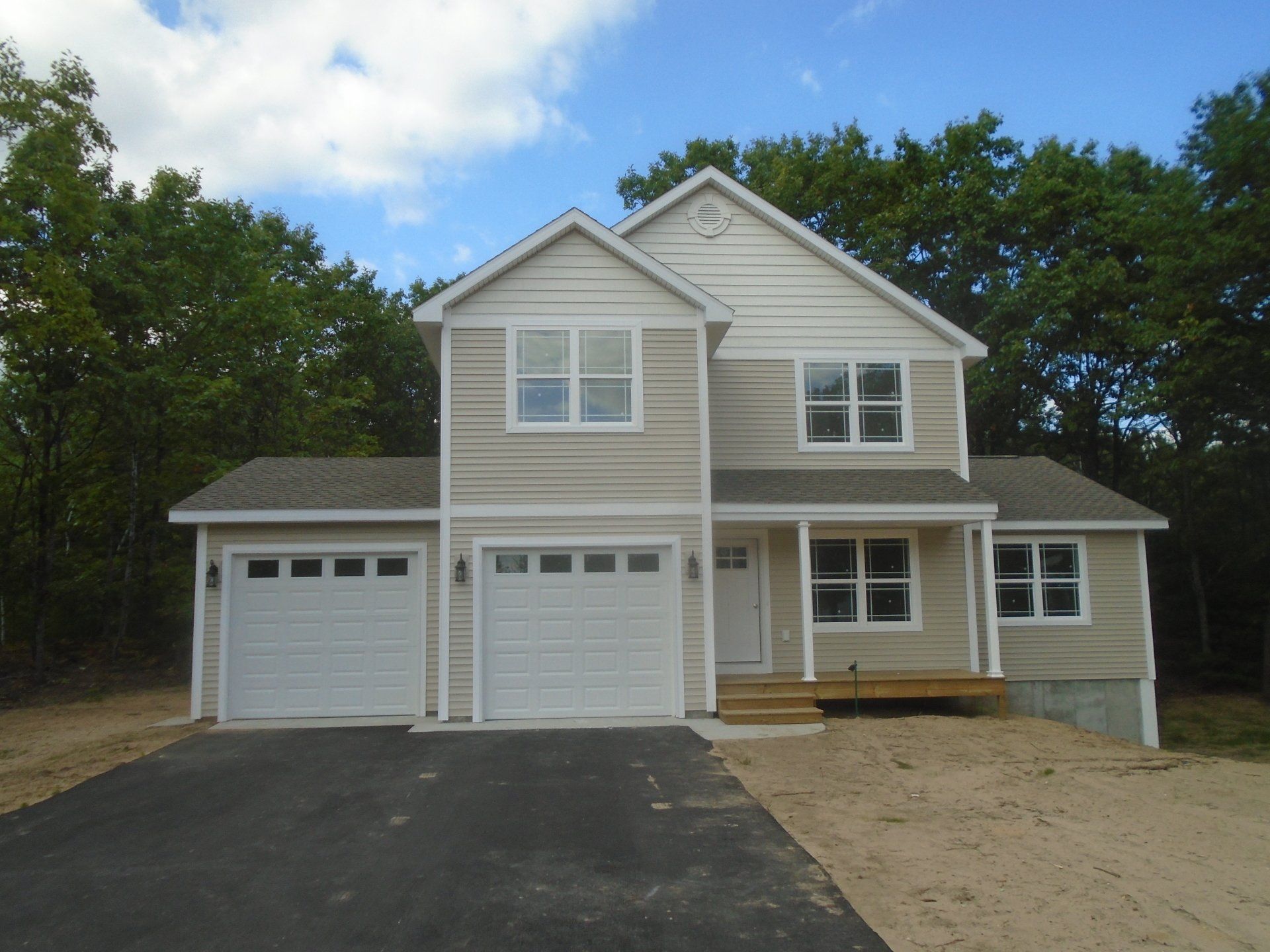
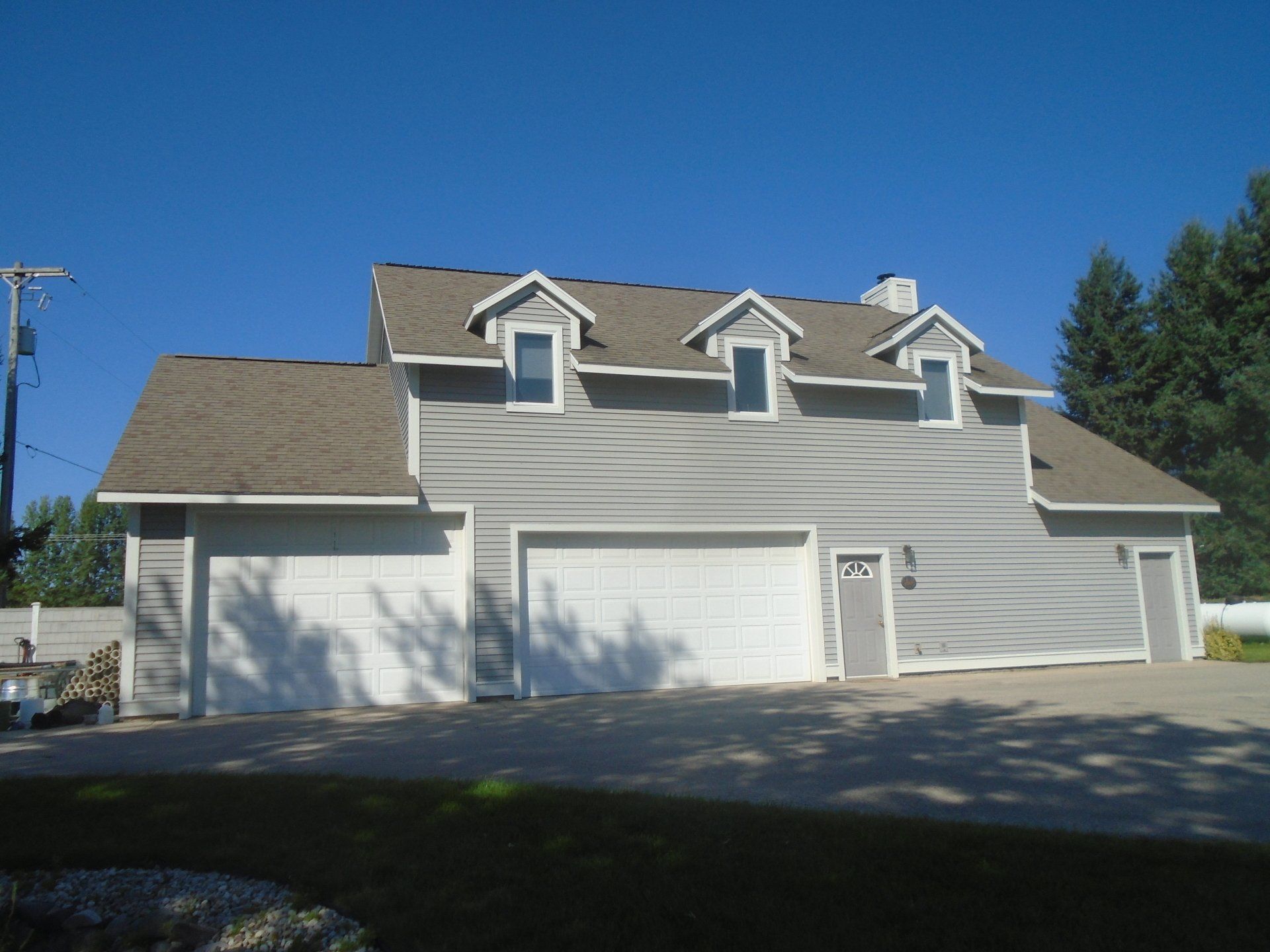
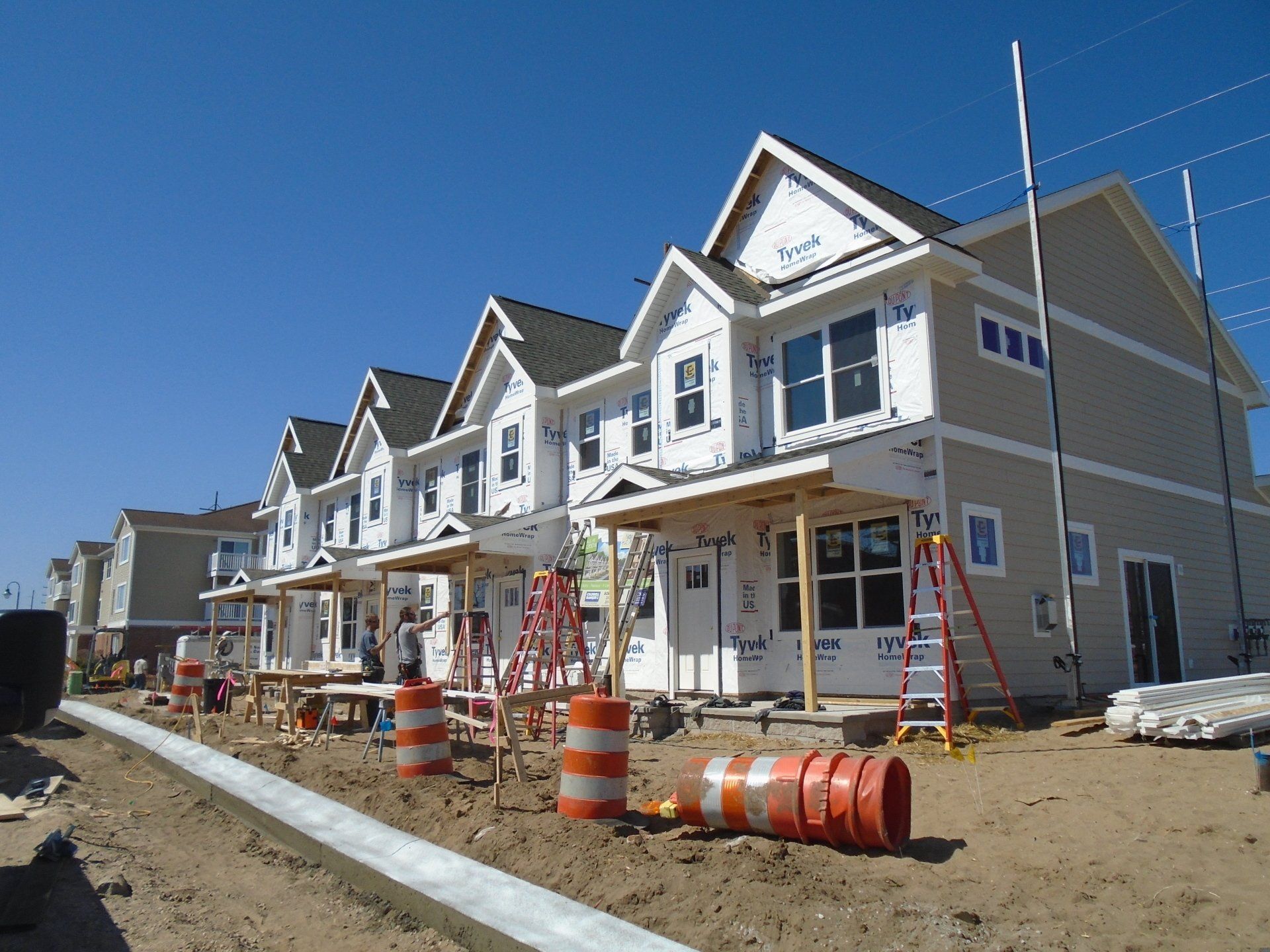
Doug Rigan Inspection & Consulting, Inc. provides residential inspection services that will insure you have a thorough understanding of the property and that will give you a high level of confidence with the information we provide. We are well respected in the Northern Michigan Real Estate market and have over 30 years of experience in the industry.
Commercial Inspections
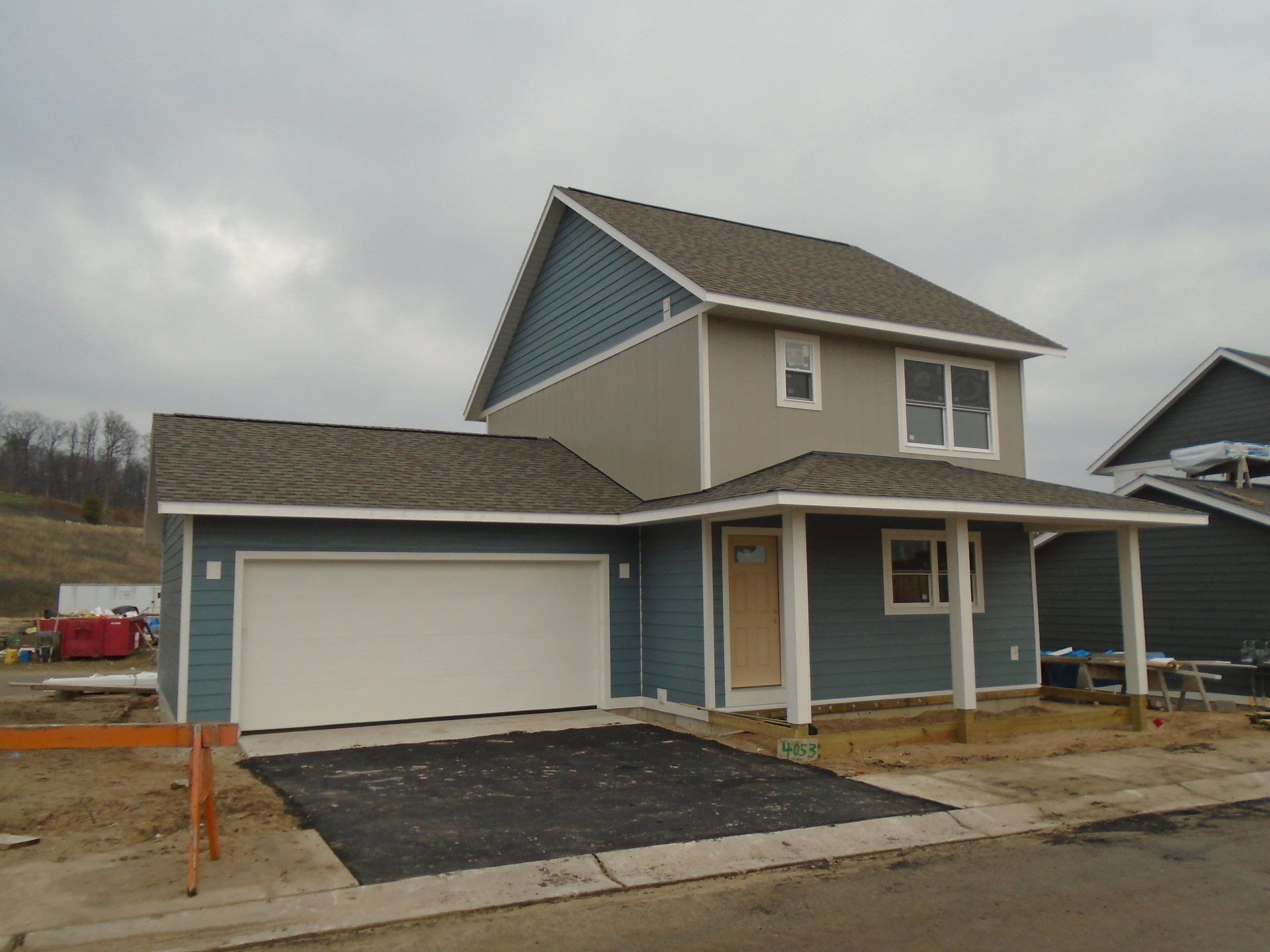
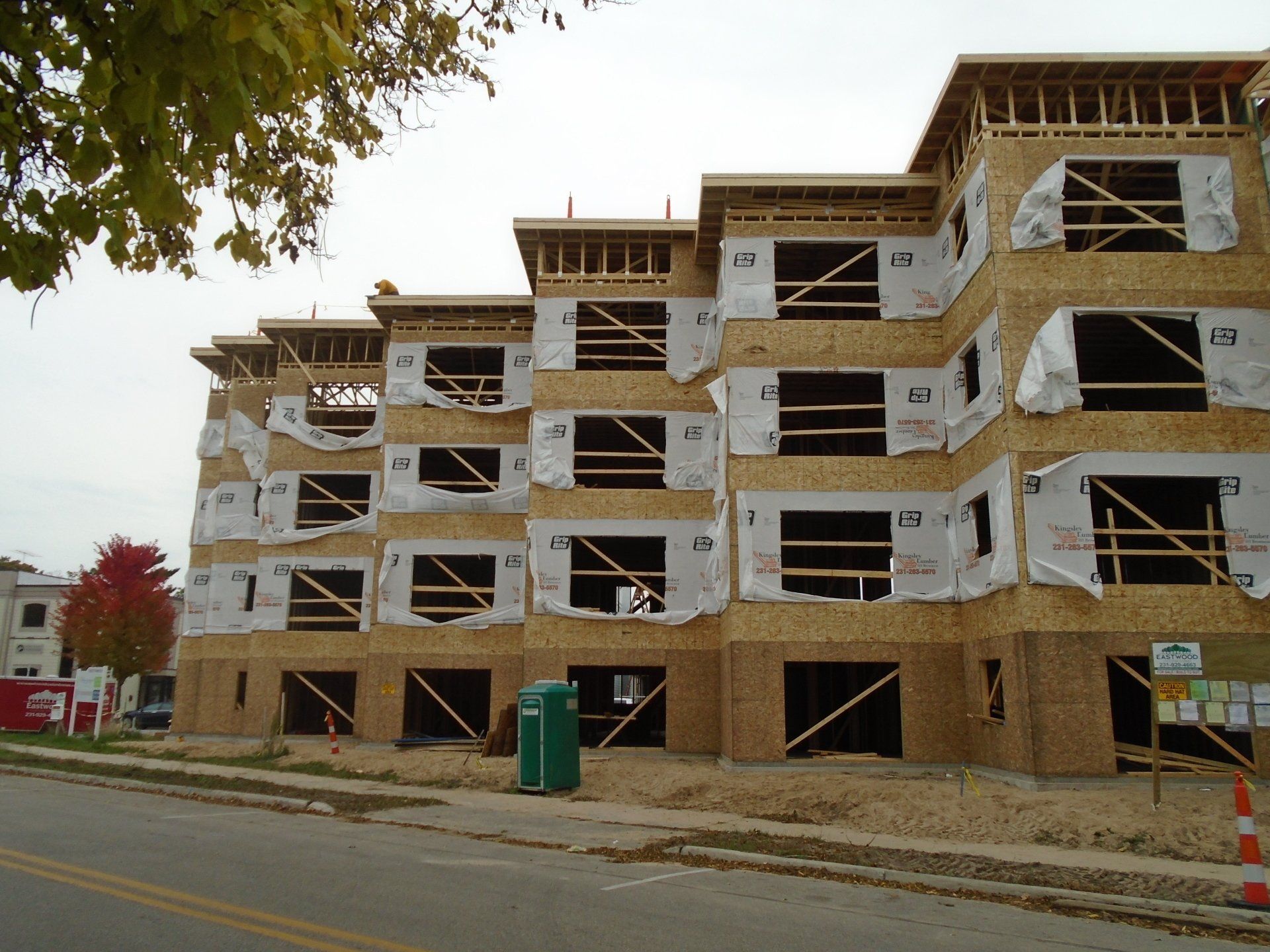
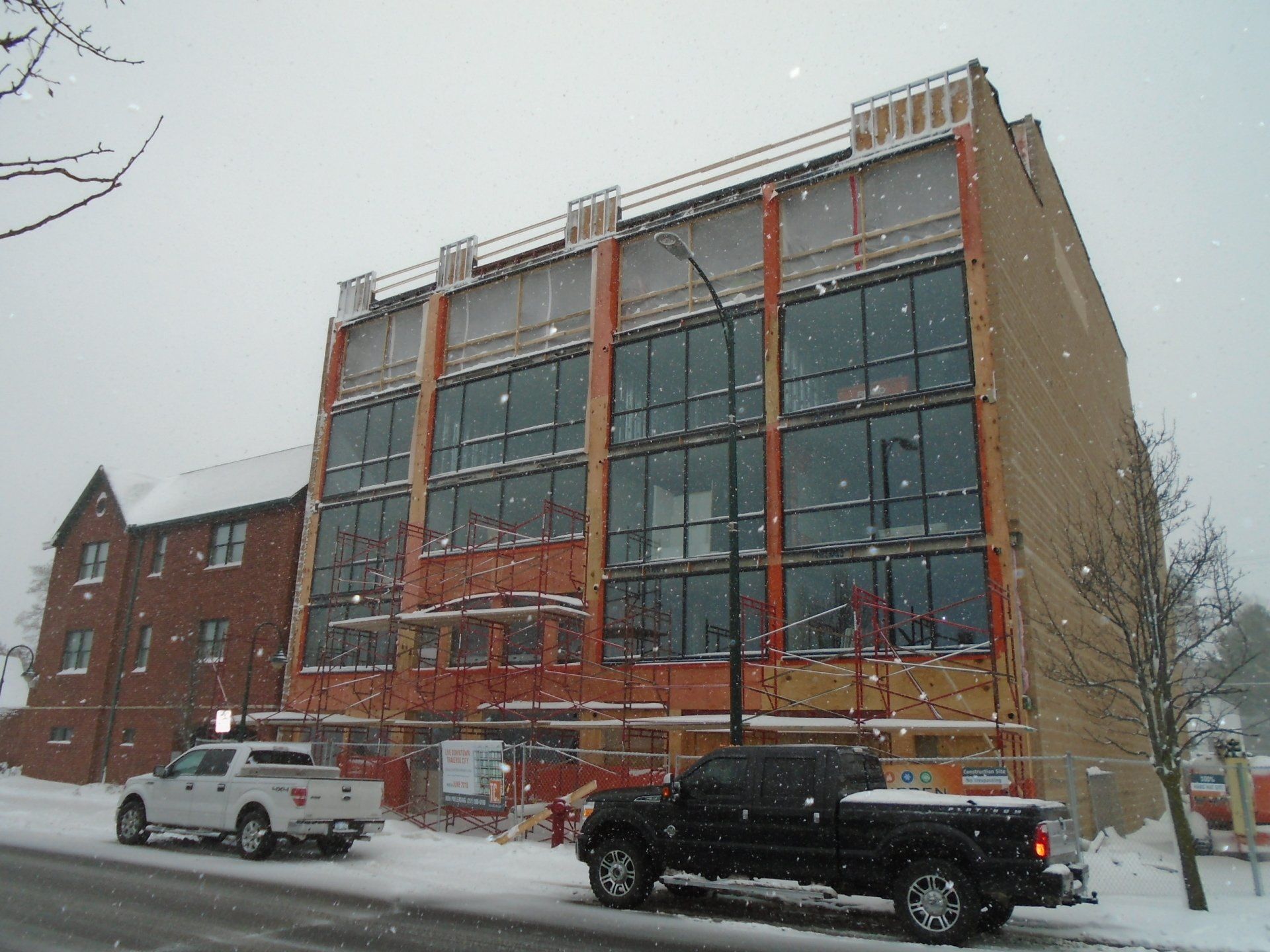
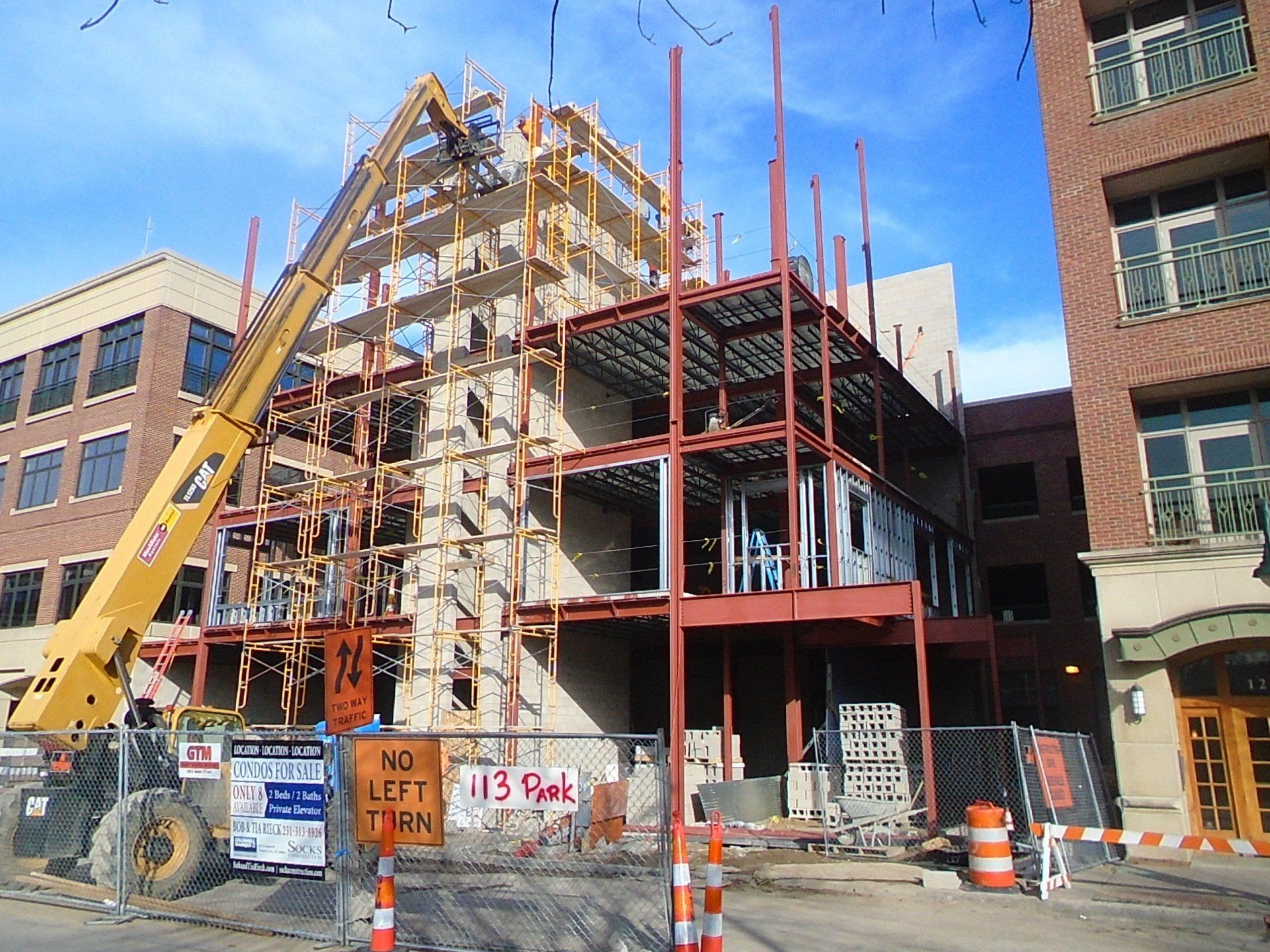
We are one of the only Northern Michigan Companies that specialize in Commercial and Industrial Building inspections. Our years of experience in Construction, Engineering and Inspections gives us the expertise you need.
Professional Consulting Services
We can provide a multitude of Inspection services tailored specifically to your Residential or Commercial property, including problem solving for; structural issues, water intrusion, roofing issues, etc.
Contact us for more details
Established in 1990, Doug Rigan Inspection & Consulting, Inc. has a longstanding reputation and proven customer service in the area.
To schedule a Consultation or Inspection go to our online form.
ABOUT
Doug Rigan Inspection & Consulting, Inc. is a local Company that provides Real Estate Inspection & Consulting Services. Our years of experience uniquely qualify us to give you the best inspection available.
To learn more about us, click here .